Showing posts with label Museums. Show all posts

Sunday, 21 August 2011

Places I didn't get to write about

Valparaíso

Oh Valparaíso, I believe you to be an enchanting city by the sea and I was so excited to discover you. But we caught each other on a bad day: fog and rain, wandering around one of your run-down sides, everything shut because it was a public holiday and then the incident with the vicious dog. I'm sorry, perhaps another time I will fall under your spell.


Isla Negra

Home of Chile's most famous poet, Pablo Neruda, and you can see where he drew his inspiration. Perched on a cliff-top with the most fantastic view of the Pacific, Isla Negra is a dream house for anyone with an artistic soul. What a site to make your home and your final resting place.


Pukará de Quitor

700 year old ruins of a fort built by the Atacameñan people a couple of kilometres bike ride from San Pedro de Atacama. An historic defensive spot with a magnificent view.


La Serena

Lying at the mouth of the Elqui valley, architecturally beautiful La Serena boasts several churches, beaches, tranquil Japanese gardens and an archaeological museum with none other than a Moai statue, direct from Easter Island. La Sereñan president, Gabriel González Videla made sure his home received the best during his time in office.


La Moneda

Chile's presidential palace where the work of government is conducted and right in our barrio (neighbourhood). Tours take place daily and give you an interesting look at some of the working rooms of the building and its chequered history.


Museo Arte de la Luz

An innovative open air museum in the Bellavista/Recoleta neighbourhoods that projects paintings of Chile onto the (usually not very fast flowing) waters of the River Mapoche. It's an interesting idea, and the images are eye-catching, but the lack of water for the majority of the year means you don't really get to experience its full impact.


Precolumbine Museum


Housed in a former mansion close to Santiago's Plaza de Armas, this museum includes various South American artefacts dating from the eras before the arrival of Columbus to the continent. Mainly pottery and stone for functional, decorative and ceremonial uses, along with an extremely interesting textile room.


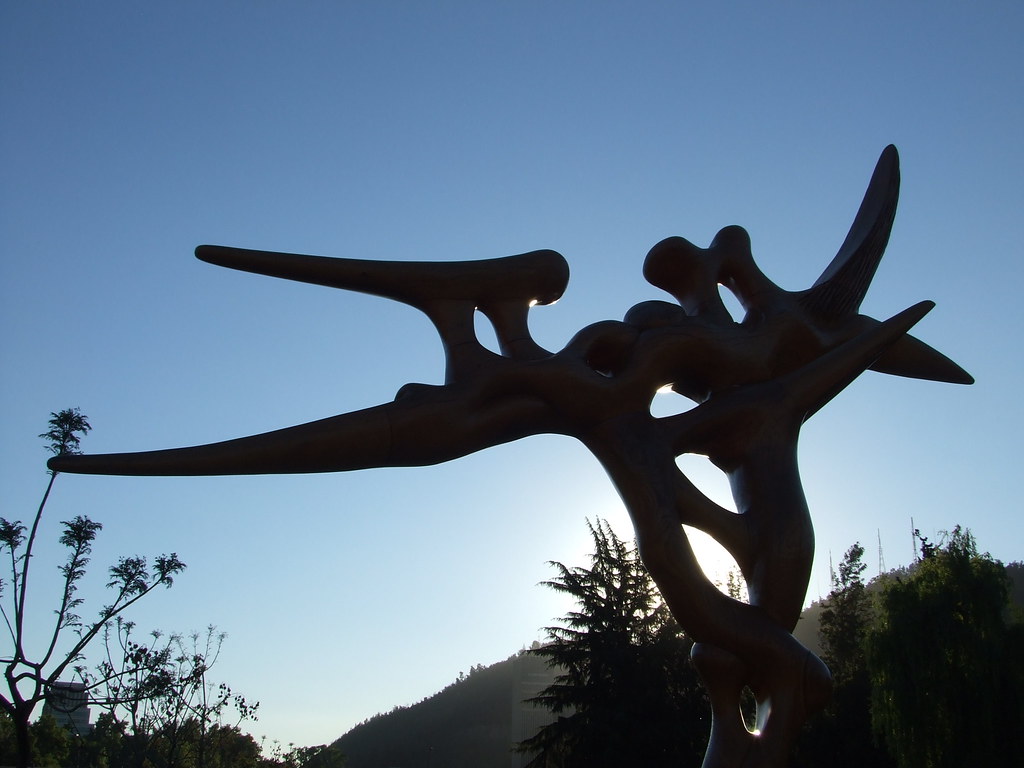
Sculpture Park


A fun Sunday afternoon meander along the Mapoche river in the Pedro de Valdivia area of Santiago, with sculptures of wood, metal and other materials by a range of local artists.

Saturday, 20 August 2011

Return to the '80s

Here's something I hadn't expected to find in Chile (picture below):

A slightly famous wedding dress
The fashion conscious or royalists amongst you will know that this is Princess Diana's wedding dress. Not the actual gown, but one of the versions that went into designing the final ensemble, worn by the late princess for her wedding to Prince Charles in 1981.

But what on earth is it doing in Chile?

Well, a couple of weeks ago I made my second visit to the fantastic Museo de la Moda (fashion museum) in Vitacura, Santiago. I first went on my birthday, way, way back in October when I knew nothing about Chile, was feeling extremely alienated and homesick and really needed to do something to cheer myself up. This time I found myself strolling up without getting lost, chewing on a Super 8 (it's a Chilean chocolate biscuit bar) and buying my ticket in Spanish with ease. No guided tour in English for me this time! How things change...

Back to the Future
I was visiting the second instalment of the museum's Return to the '80s exhibition (Volver a los '80s II) which has its centre piece the car/time machine from the film Back to the Future along with protagonist Marty McFly's jacket. Pretty cool, but of course I was there for the fashion.

A new room has been added with an exhibition about Body Map, London-based designers that were highly influential in the fashion world of the era, dressing the likes of Boy George.

The other rooms followed the same format as before - street fashion, celebrities, designer and couture. It was in the celebrity room that I stumbled across Princess Diana's dress, along with a pink full-length shoulder-padded gown belonging to Joan Collins and items from Madonna and Duran Duran.

Chanel in the 'disco' room
The designer section continued to dazzle, with cases from Jean-Paul Gautier (more conical bras), John Galliano, Armani, Issey Miyake, Thierry Muglar and Vivienne Westwood. Then downstairs in the 'disco' room (with very loud music and so dark I could hardly read the notes) was what I've labelled 'couture', beautiful, beautiful, beautiful tailoring from the likes of Chanel and Yves Saint Lauren, as well as a Chilean designer, Ruben Campos.

What I found most interesting this time, was my greater appreciation of the context of the exhibition. I watched for the second time a video that explains the making of the exhibition and which includes various famous Chileans from the decade talking about their experiences of the fashion and culture of the '80s and Chilean society at the time.

For a start, I recognised a lot more of the faces and many of the cultural references were no longer alien to me. But I also felt like I understood what they were saying a little more, and not just in terms of the language.

Chile has an odd affair with the '80s. The entire decade was lived through the dictatorship, with curfews and repression and very little exposure to outside influences. And yet today there exists a massive nostalgia for the music and fashion. Whether it's because people feel they missed out, or because the world being lived by New York and London was such a polarity to what was permitted in Chile at the time, I don't know and I'm in no place to speculate. But it was insightful to realise that mutually, Chile and I have got under each other's skin.

Thursday, 11 August 2011

San Pedro de Atacama

The desert oasis of San Pedro de Atacama is located some 24 hours by road from Chile's capital Santiago. Feeling this was a little too long a bus journey for us, we flew to the nearby city of Calama. The flight takes just under two hours, with several connecting transfers via taxi or minibus into San Pedro. All very slick and professional, the transfer takes between one hour and an hour and a half depending on where your hostel is located on the route. We were last to be dropped off, as we were staying at the Sumaj Jallpa - a cute, clean and cosy hostel on the outskirts of the village, but just a 10 minute walk from the centre.

San Pedro itself is tiny and can be walked around in about half an hour. It's a real tourist trap, full of backpackers of all nationalities (although a lot of Brazilians, French and Spanish at this time of year) and its dusty streets are littered with tour operators, souvenir shops and cafes. Despite this, it didn't feel annoyingly touristy like Pucón; it has a nice relaxed feel about it with everyone (including the stray dogs) reposing in the sun and getting along.

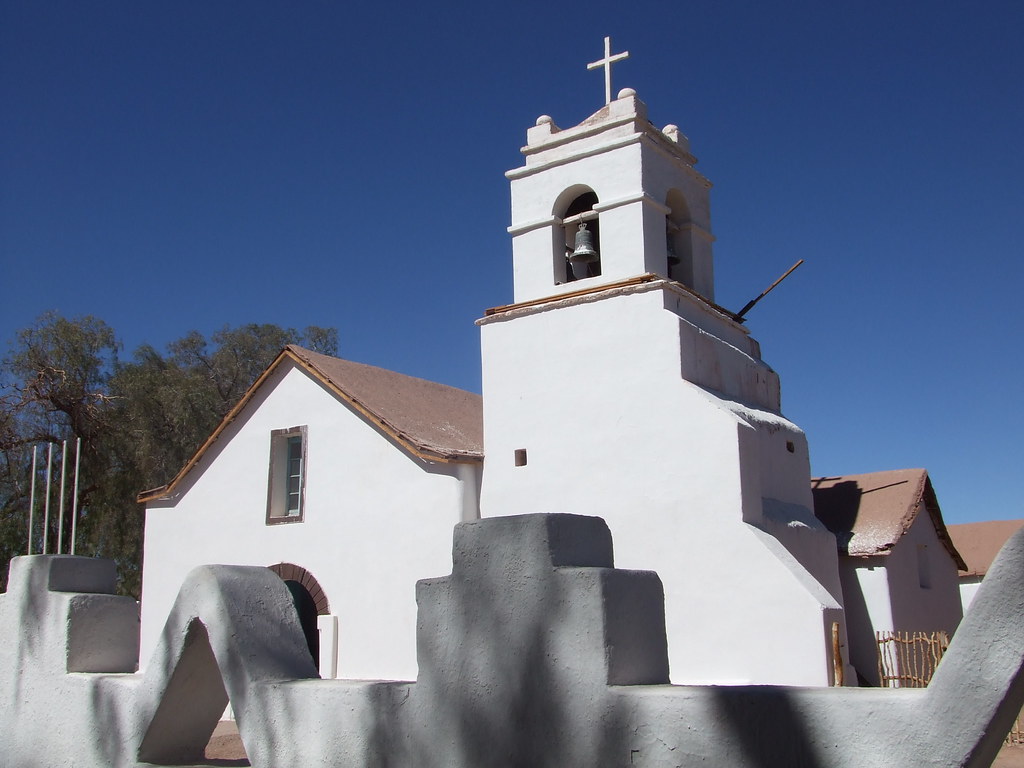
The church of San Pedro

Main sightseeing points include the church, a sparkling white national monument with beautifully adorned statues inside. Also fascinating is the archaeological museum Gustavo Le Paige ($2000 CLP / $1500 CLP for students) which covers the history of the first settlers in the region, through the arrival of the Incan empire and later the Spanish conquistadors, although occasionally in a little too much detail. The museum houses lots of interesting artefacts, including early stone tools, pottery and even textiles, all of which were kept preserved by the desert sands.

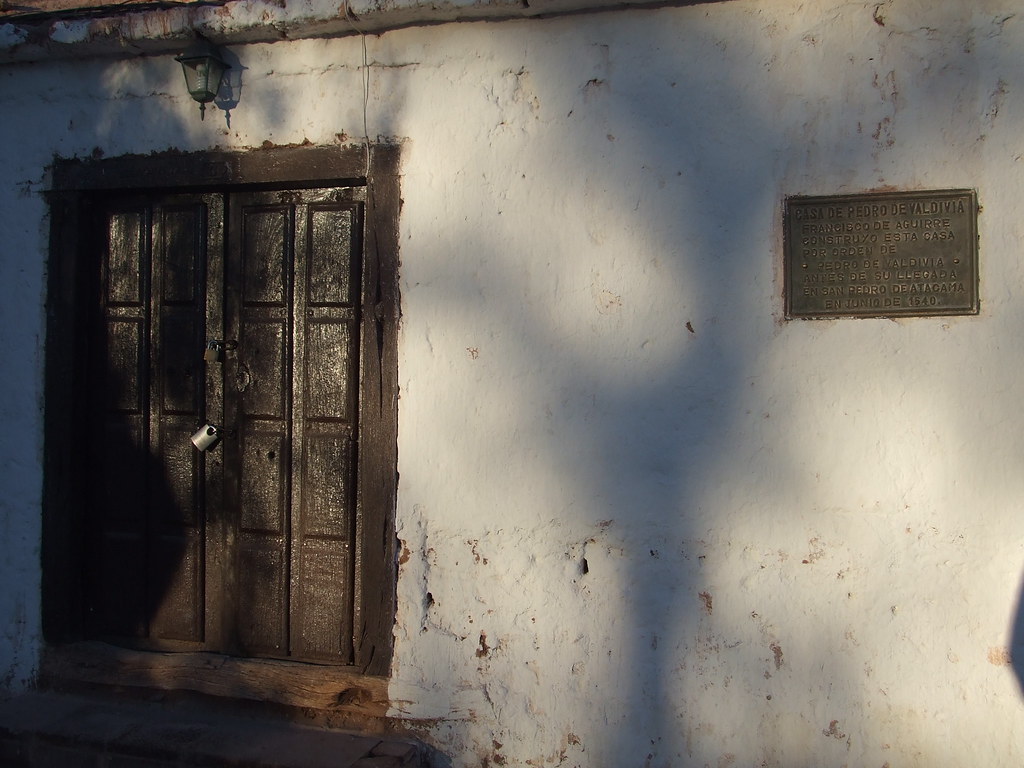
Spending a morning mooching around San Pedro's plentiful souvenir shops was fun, although you'll find that most stock the same items and that (we suspect) the majority are made in China and are not the wares of local artisans. That said, we found a really interesting jewellery shop that had some unique and reasonable priced pieces, such as a copper bangle I picked up for $10000 CLP. Our favourite souvenir shop (which we visited three or four times in our indecisiveness over gifts) turned out to be located within the oldest building in San Pedro, dating from the arrival of conquistador Pedro de Valdivia in the early 16th century. Both shops are on Taconao.

San Pedro's oldest building (now a souvenir shop)

Following the advice of the Rough Guide to Chile, we hunted around the edges of the village for cheaper eats, which was definitely the right thing to do. We frequented a restaurant on Tocopilla with Licanbur, near to the bus terminal, which offered three course meals with lots of choice for just $3500 CLP (that's about a fiver).

Chorillana
Ticking another dish off our 'to eat' list, we shared a chorillana in a bar at the eastern end of Caracoles. Dubbed a 'heart attack on a plate', chorillana consists of chips topped with sausage, beef, chicken, onions and a fried egg. Man it was goood...

Breakfasts were a little overpriced for what you got, but there are various places that offer tea/coffee/chocolate with toast and a glass of juice for an average of $2000 CLP, going up to nearer $3500 if you want eggs, ham or cheese too.

Finally, the best thing of all about San Pedro is that it's surrounded by this view, with unbeatable rosy sunsets on the backdrop of Volcán Licancabur every day.

The view during the walk back to our hostel

Wednesday, 27 July 2011

My 7 links

A slight digression from my usual posting topics as I appear to have joined the world of the bloggersphere by being tagged in this '7 links' thing that's doing the rounds.

Thanks to Rob W of the South America Blog (this is the chap who runs Woodward language school which brought me up to a passable level of Spanish, Chilenismos and all) I have to rifle through the archives of my blog for 7 posts that are the most beautiful, popular, controversial, helpful, surprisingly successful, lacking the attention they deserved and that I am most proud of.

This actually turned out to be quite a fun task, as I got to rediscover stories I'd forgotten about and I enjoyed feeling incredibly proud of my blog and realising what an interesting historical record it is for me. So without further ado, onto the 7 links.

My most beautiful post

Difficult to define a beautiful blog post. Although on the whole I am pleased with how I write, I'm not sure any of the posts are exquisitely crafted literary masterpieces. So if we take beautiful to mean photography and subject matter, it doesn't get more perfect than A sprinkle of magic - the story of Frutillar and one volcano that made a last minute appearance to give us the most phenomenal setting for a pastel coloured sunset.

My most popular post

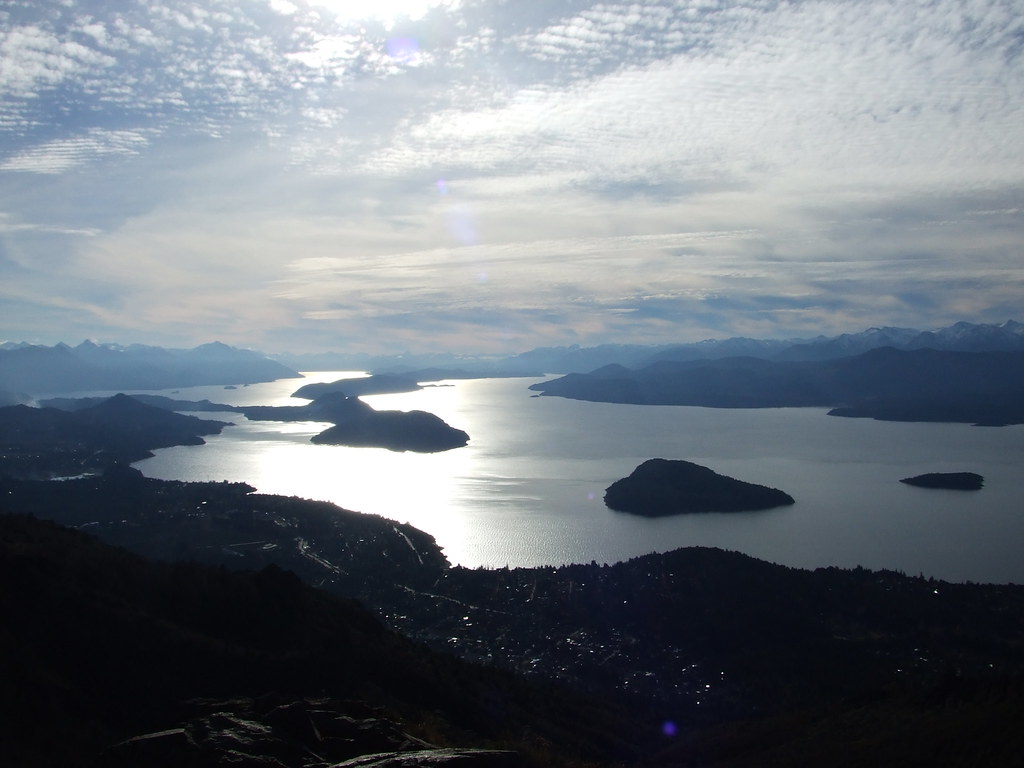
Judging by stats alone, this award goes to The most beautiful place on earth about our visit to Bariloche in Argentina, before it got covered in ash from Volcan Puyehue. A worthy winner. That said, I never tire of this view has been hanging around at the top of my most visited list since I wrote it way back on 20th October, so I think it deserves a mention too.

My most controversial post

I don't really do controversy on this blog, but I guess that Civil unrest is the closest I've come to any kind of political statement, or for that matter, to writing anything negative about my experiences here. 

My most helpful post
My very first posts, First impressions and A day of small victories stand out for me simply because various friends I have met here have told me that they felt reassured reading about my rather wobbly experiences in Chile at the beginning. So I'm nominating these for helping people know that they weren't alone in feeling adrift in this strange new place.

A post whose success surprised me


New heroes was the first time I received feedback from Chileans about my blog, with many of them in agreement with my admiration for Michele Bachelet. This was a turning point for me, where I discovered that my blog was being read as much by my new friends here as by my old friends back home. The amount of attention my Food post got was also a genuine surprise - it seems eating is what my readers are really interested in!

A post I feel didn't get the attention it deserved

Looking through my archives I found it difficult to find a post that didn't get attention, but eventually I opted for Museum of Memory and Human Rights because I don't remember getting much direct feedback on it. Maybe the subject matter was too painful for some, or maybe the history is too distant for others. Either way, I thought this post would get more of a reaction than it did.

The post that I'm most proud of

Trying not to sound too cheesy, I can honestly say that I am incredibly proud of my entire blog. I only started writing it because I fancied having a go at blogging and a couple of people had suggested it might be an interesting thing to do. But as I said at the beginning, it's turned into fascinating record of my time here; I love reading it and I hope others do too. Selecting one post, therefore, is pretty hard, but I think I'm going to plump for Immigration. Partly because it made me and a lot of other people laugh, partly because I enjoyed writing it and working on getting the humour across, and partly because I'm really proud of what I achieved that morning!

So now I have to pass on the tag to five other bloggers. So 7 links on their way to:
  1. Callie Mills - Ruffle Your Feathers
  2. Carolina Leseigneur - GoodCatt's Random Musings
  3. Pepe's Chile Adoration Page

    Next was going to be fellow Chile blogger Angie Clifford with Angie's life, but she's already been tagged so instead we change topic to...

  4. Ruth Lund - Cherry Coloured Twist
  5. Emma Fassio - Emma Fassio Knitting

Sunday, 24 July 2011

Tango

Buenos Aires. City of my dreams. You did not disappoint me.

I don't remember when it was exactly, but at some point during my childhood/adolescence I got the idea into my head that I wanted to experience tango in Buenos Aires. Somewhere between seeing the musical Evita and watching the original 'Come Dancing' I imagine it happened. A little seed lodged deep in my brain that as I grew-up I guess I never really thought would grow to fruition.

But this is a time in my life where childhood dreams come true and I finally had the opportunity to visit the Argentine capital. And oh what a magnificent city you are.

Tango 'graffiti'
Tango is simply everywhere in Buenos Aires. It oozes out of window panes, is splashed across walls and sparkles in shop windows adorned with shoes. The city is tango. A red and black sultry haze that burns into life as night descends.

We spent an evening at one of the many tango show and dinner places that litter the city. Taconeando was our bar of choice, located in San Telmo, one of the oldest and most historic barrios or neighbourhoods of Buenos Aires. We entered a small, dimly lit room, furnished with plush antique rose fabrics and tables for dining surrounding a low central stage.

Dining came first. An entrada (starter) of very tasty pate, followed by, of course, a massive steak and chips. Dessert of a choc-ice filled with chocolate, caramel and vanilla ice cream had just been served as the lights went down and the show began.

Tango at Taconeando
The show covered the history of the tango, beginning with two men dancing in a rutting stag-like stand-off, followed by moves through romantic, fun and flirty and seriously sexy moods. The dancing was interspersed with singers performing tango classics (including audience participation) and backed by a brilliant quartet of piano, violin, double-bass and bandoneon - the accordion-like instrument that gives tango its signature sound.

It was an electrifying hour and a half of tango, where we were so close to the action that at times we had to duck to avoid being kicked in the head! A marvellous display of a beautiful dance that was simply a joy to behold.

More tango

But our tango experience did not stop there. Oh no! The next day, I was rather overexcited to discover that the world tango museum, which was on my list of things to do, was actually located within the national tango academy of Argentina! You can imagine my squealing.

We entered the 150 year old building, with its art nouveau style architecture, and found the museum on the first floor. It tells the chronological history of the tango, with various artefacts - from manuscripts, to records, to dancing shoes - to illustrate the different periods in the dance's life. It also demonstrated that tango is very much alive today, with the academy itself offering lessons at 30 Argentine pesos a go (that's about 4 quid) to anyone who wants them. Something for my next visit I think.

The bandoleon
After the museum, we headed on to another of the oldest tango buildings in Buenos Aires - Confiteria Ideal. Dating from 1912, the cafe / ballroom boasts more luscious art nouveau architecture, and judging by its website, seems to have been used for the film version of Evita starring Madonna. We supped a cafecito in the historic surroundings, while the sound of the afternoon milonga drifted downstairs.

More Taconeando tango
And more Taconeando tango

Sunday, 19 June 2011

City of rivers

Pinnacle of the holiday finally achieved, we moved onto Valdivia - the urban centre and capital of Los Rios region. Valdivia is famous for being the location of the world's biggest ever recorded earthquake - a huge 9.5 on the Richter scale in 1960. It's also famous for its German influences, beer, fish market, rivers and sea lions!

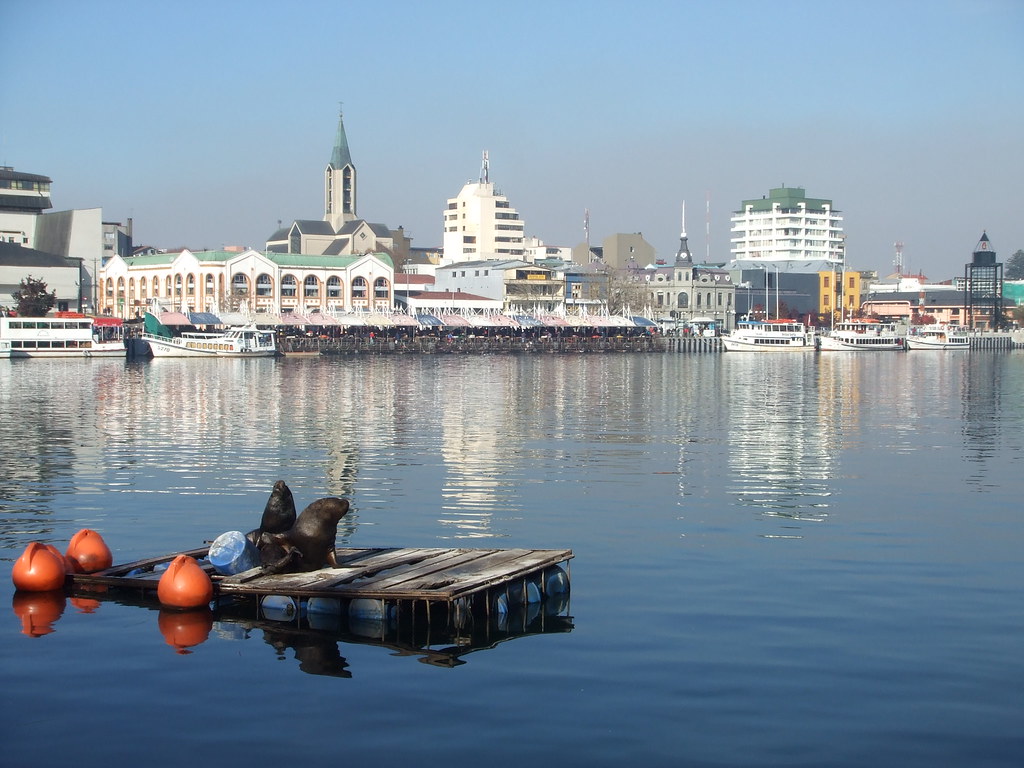
The day began shrouded in dense fog as we ambled along the waterfront trying to avoid the grasp of the plethora of pleasure boat trip sellers keen to seize on a couple of tourists. In addition to the rather yummy looking fish market (a pity we couldn't cook that night), the waterfront also boasts a massive submarine and a pendulum clock that tells the time based on the curvature of the earth. And how could I forget? The waterfront is also home to loads of (rather smelly) sea lions, who lounge around all day except for when the market clears up at night...

My picture postcard of Valdivia's waterfront (and sea lions)

While we were waiting for the skies to clear, we decided to take in a few museums. The first was the Kunstmann brewery (cerveceria) - which we took a short micro trip to get to. Now, we were expecting something on the scale of the Guinness Storehouse in Dublin. Not to be I'm afraid; the brewery has a small museum and shop and a large restaurant. Still, it was interesting to learn about this family business, started by German immigrants who first arrived in the mid 1800s, which now competes on a global sale. The honey ale is particularly nice.

Philippi (right) and friend.
I love this photo, nothing says 'Victorian
explorer' more.
Back in the town centre, the sun had broken through so we enjoyed our sandwiches on the riverside - at a safe distance away from the hungry lobos marinos (sea lions). Afterwards, we crossed the river to the university side of town (Valdivia is an important student city) and visited two more museums. The first was an historical and anthropological museum that contained artefacts from the region's various colonisers, from the Mapuches to the Spanish to the Germans.

The second was the Philippi museum of exploration. The observant amongst you will remember I mentioned Philippi in my post about Puerto Varas. Despite the sound of the name, Philippi was a German explorer who 'discovered' a large part of the regions of Los Rios and Los Lagos. A palaeontologist and zoologist, he worked extensively to categorise and document life in this exotic land, which at the time consisted mainly of dense forest.

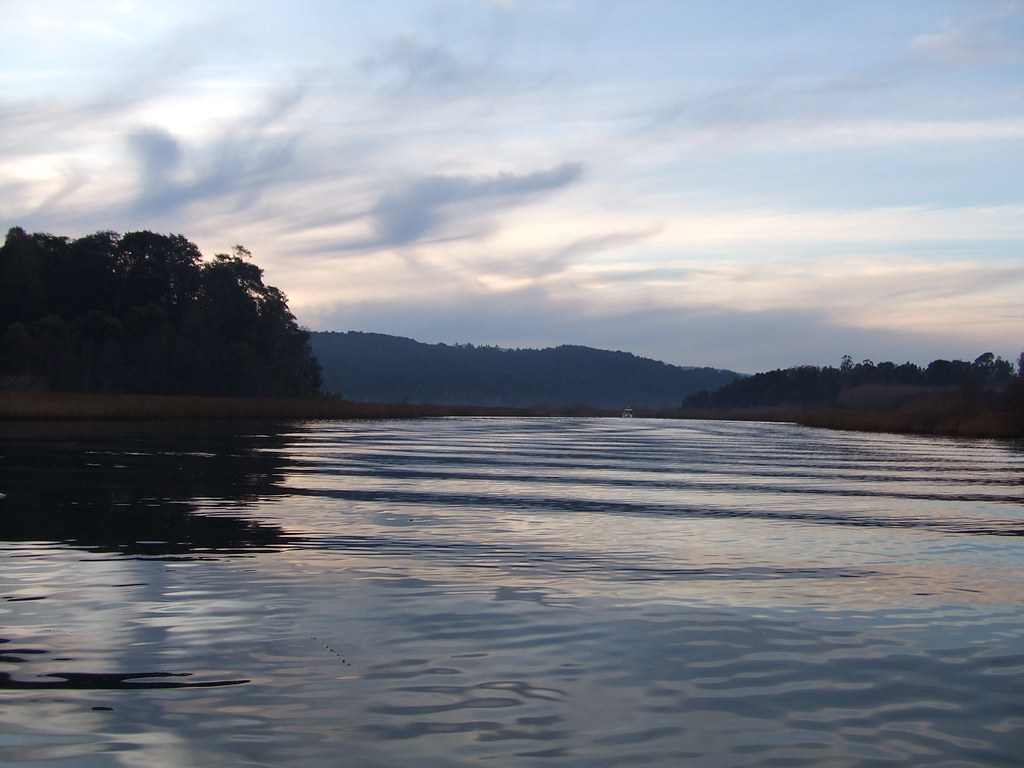
Full of information, we decided to finish off the day with one of the riverboat tours we had an initially been avoiding. Thankfully, we made a good choice - a sturdy boat, a very informative guide and a decent long tour along the Valdivia, Cau Cau and Cruces rivers. Another sunset in another romantic place.

Valdivia, city of rivers

More Valdivia photos on Flickr:

www.flickr.com

jaynescarman's Valdivia photoset jaynescarman's Valdivia photoset

Wednesday, 30 March 2011

Beautiful barrio, dark secret

I made a surprise discovery today of a delightfully quaint neighbourhood not more than a stone's throw from our apartment in downtown Santiago.

Calle Londres (London Street) is a winding cobbled street flanked with picture-perfect Victorian-style mansions; exactly the type of building with patterned tiles, shutters and intricately curved iron-work that I would love to have a top floor flat in.

Yet despite the visions of cream teas and ice cream that this particular street evoked, my reasons for visiting it were altogether more sinister.

Londres 38 on first glance looks as charming as all the other houses. It was only when I spotted the names inscribed in black and white tiles amongst the cobbles outside that I realised I was in the right place.

By now, I'm sure you've grasped where this post is going. Between September 1973 and September 1974, Londres 38 was used as a clandestine detention and torture centre by the military government led by General Augusto Pinochet. It was the first premises to be used in this way by the DINA, the Chilean secret police, to interrogate, torture and ultimately make disappear, 'militants' that actively opposed the military rule.

The house is empty, its starkness and dilapidated condition giving it a haunting feeling. Designated as a 'memory space', survivors and relatives of those lost have recorded an oral history of the building, recreating its layout, its use and the experiences of those detained inside it.

Based on these testimonies, my guide, Karen, gave me a knowledgeable tour of the building, with many of the spaces complementing her speech by, quite simply, speaking for themselves.

Saturday, 5 March 2011

Museum of Memory and Human Rights

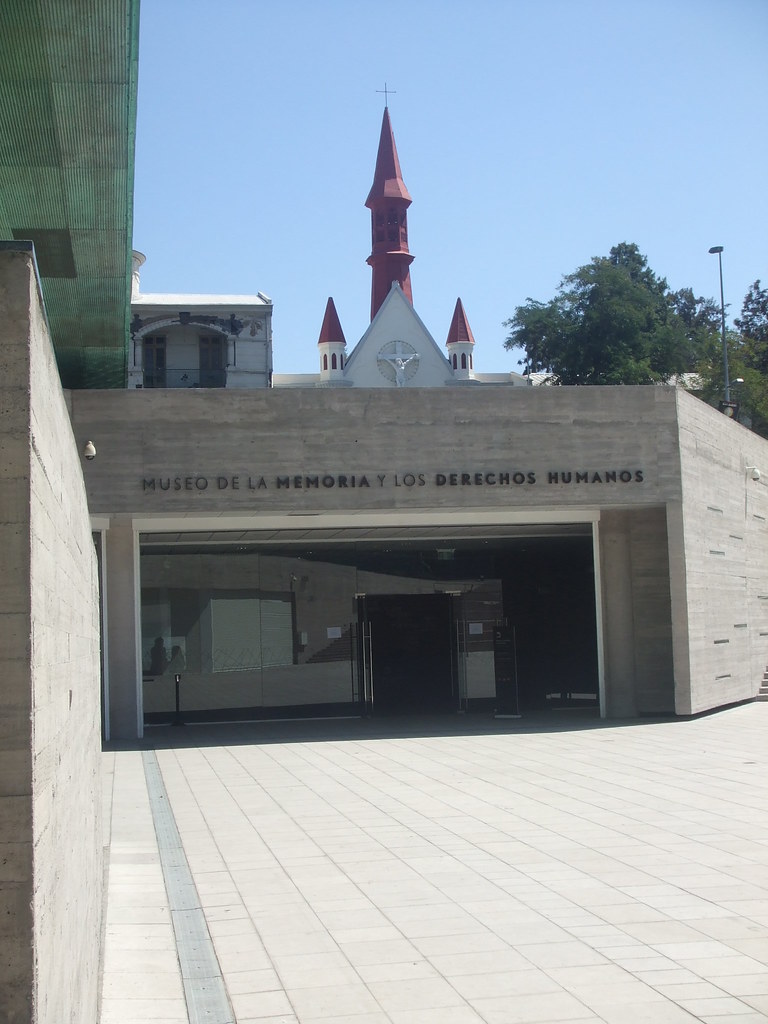
Entrance to the Museum of Memory
and Human Rights
Anyone who travels to Chile, without fail, should visit the Museum of Memory and Human Rights. Opened in January last year, the museum serves as a sensitive but profound record of the atrocities committed in the country under the military dictatorship of General Augusto Pinochet, between 1973 and 1990.

I had wanted to visit this museum for some time, but each day I had planned to go, I found myself reluctant to leave the house, knowing that it would be an upsetting experience. It was, of course. But it was also a crucially important account of Chile's history, which has given me insight into what makes Chile the country it is today.

The waters surrounding the museum
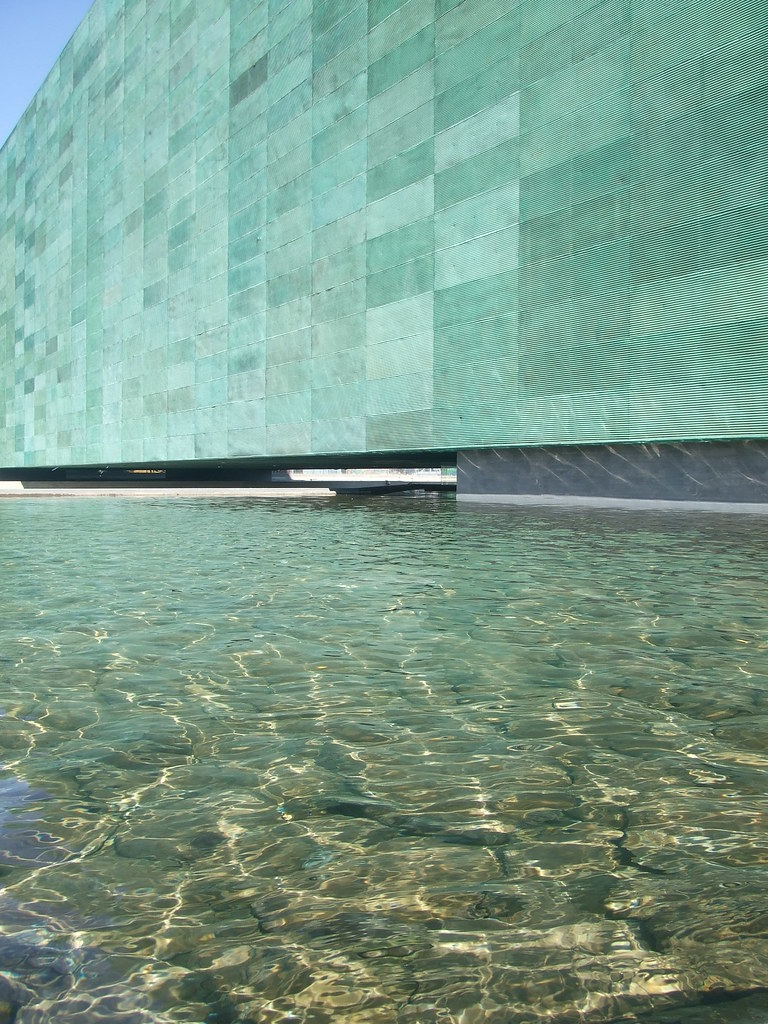
The modern building uses architectural design at its best to express the different moods housed within the museum. From the outside, the venue looks impregnable; set low in the ground, the concrete entrance, hidden from view, looks like a kind of bunker. Surrounded by a large artificial pond, the rippling water creates a sense of calm. Inside, the country's darkest hour is contained within claustrophobic cubicles of black walls and minimal lighting, a new shock lurking round every corner. By way of contrast, a sun flooded corridor with a wall and ceiling entirely of glass runs the length of the exhibition space, providing a tranquil retreat to draw breath and reflect.

Stories are told through hard-hitting video footage - both news reports from the time and present day testimonies of those that survived. Seeing these people talk, often close to breaking down, drives home the reality of the situation. This is not just a story from the history books. People the same as you and I were subjected to the most brutal treatment. While I have enjoyed the liberties of education, culture and freedom of expression, people my age - and people who I now know - witnessed family members being taken by force, never to be seen again.

I would like to tell you more about the museum, and the deeply moving material it contains, but its power lies in being experienced. Please, if you come to Chile, make sure you include this museum in your list of must-sees. We must remember so that we do not forget.

Saturday, 6 November 2010

Birthday abroad

I wasn't sure how I would feel about my birthday abroad. I was a long way from home (over 7000 miles) and friends, family and the usual things I would do seemed far away. However, it all picked up when I managed to finally clean the oven (not our mess I should add) and bake some cakes!

So the day started at midnight with the cards and presents that had managed to withstand the postal system. I'm still looking forward to those that remain en route...

Then in the morning, it was a quick Spanish class - where I shared out the cakes with my fellow aliens - followed by a trip to Santiago's Museo de la Moda museum for an exhibition about 80s fashion. The museum's collection housed some amazing pieces, including couture from Jean Paul Gautier, Armani and Chanel to name just three, plus outfits that had belonged to Madonna, Princess Diana and U2.

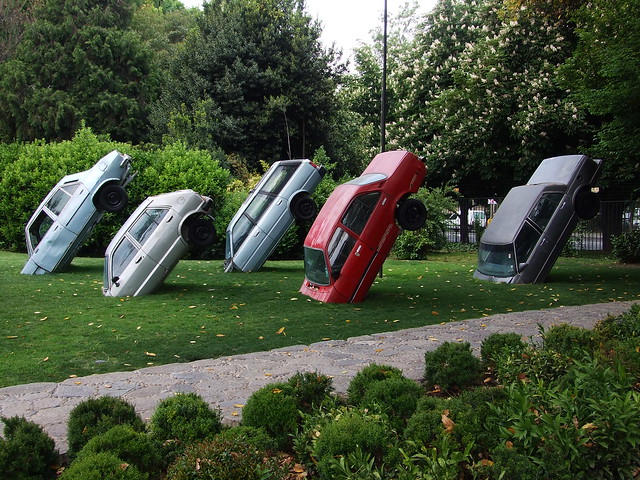
Art installation at the Museo de la Moda
(nothing to do with Chilean traffic)
After popping to the shops (it had to be done, although weirdly, I didn't buy anything), I rounded off the day with a pint in an Irish pub with one of my classmates. Horror of horrors though, it was an Irish pub that didn't sell Guinness! How is that even allowed under the trade descriptions act? Still, the local brew went down equally as well.